
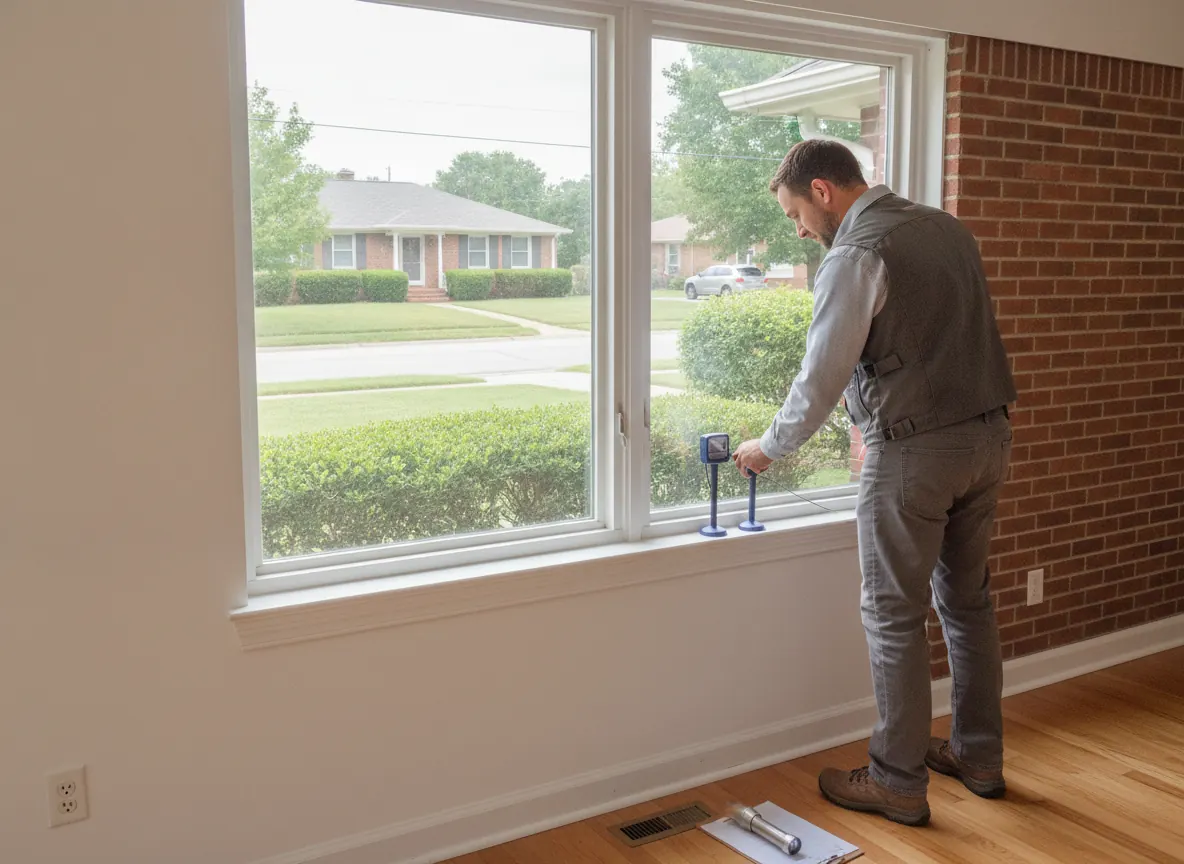
Mold Inspection & Testing
A licensed mold assessor finds the moisture source, decides whether sampling is needed and writes the remediation protocol.
Learn moreWe connect Lubbock-area homeowners with TDLR-licensed mold assessors and remediators for free, no-obligation quotes. Tell us what you're seeing and we'll help you get quotes from licensed local pros.
Most mold in Lubbock homes starts with a specific water problem. Pick the one that sounds like yours, or just request a free quote and describe what you're seeing.
A licensed mold assessor finds the moisture source, decides whether sampling is needed and writes the remediation protocol.
Learn more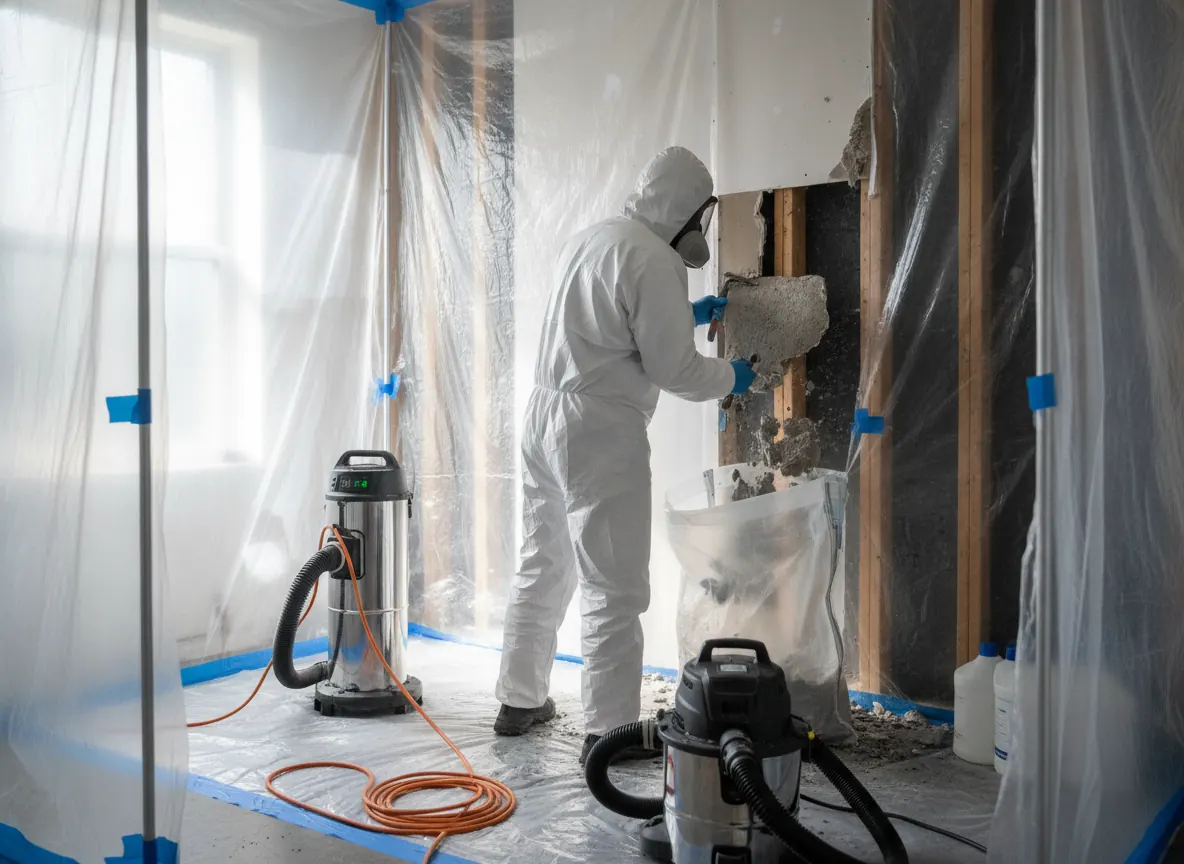
A separate licensed remediator follows the protocol: containment, removal of damaged materials, cleaning and drying.
Learn more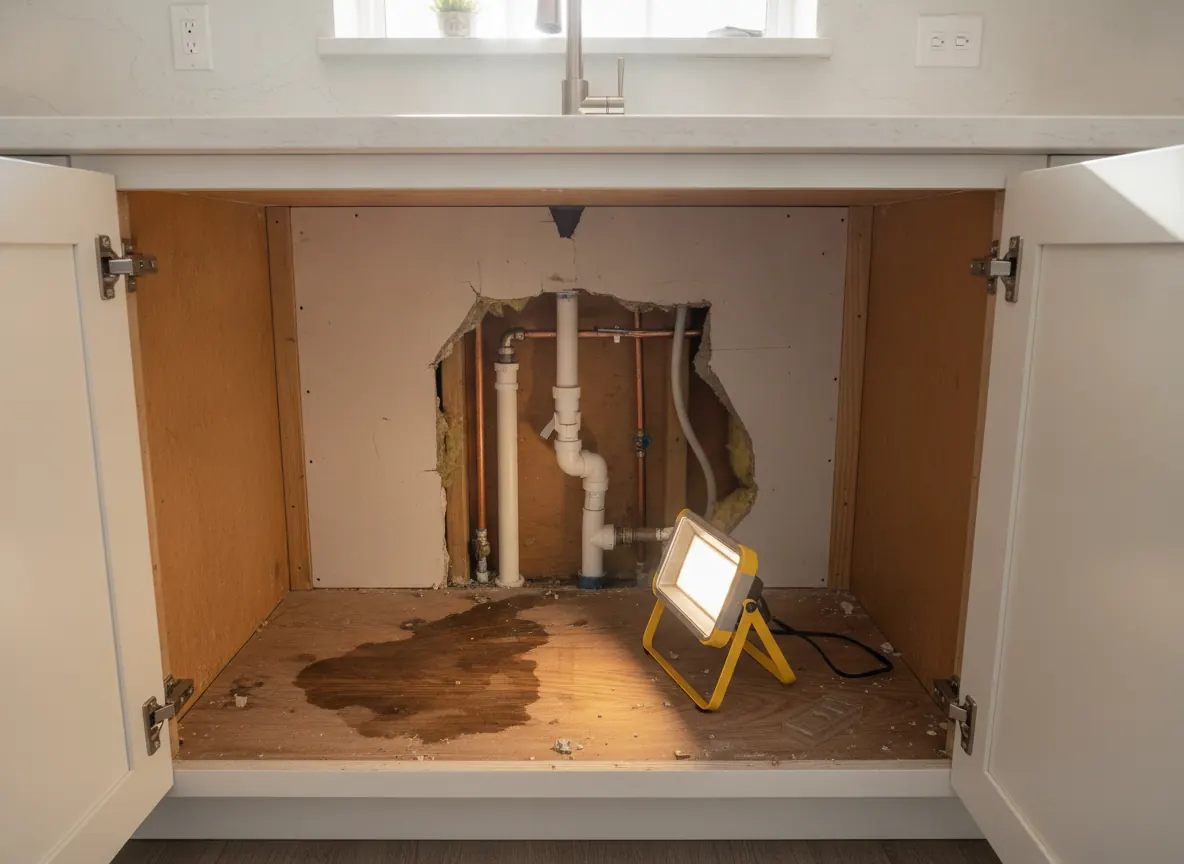
Leaks inside walls, under sinks, at water heaters or under a slab can feed mold for weeks before anyone sees it.
Learn more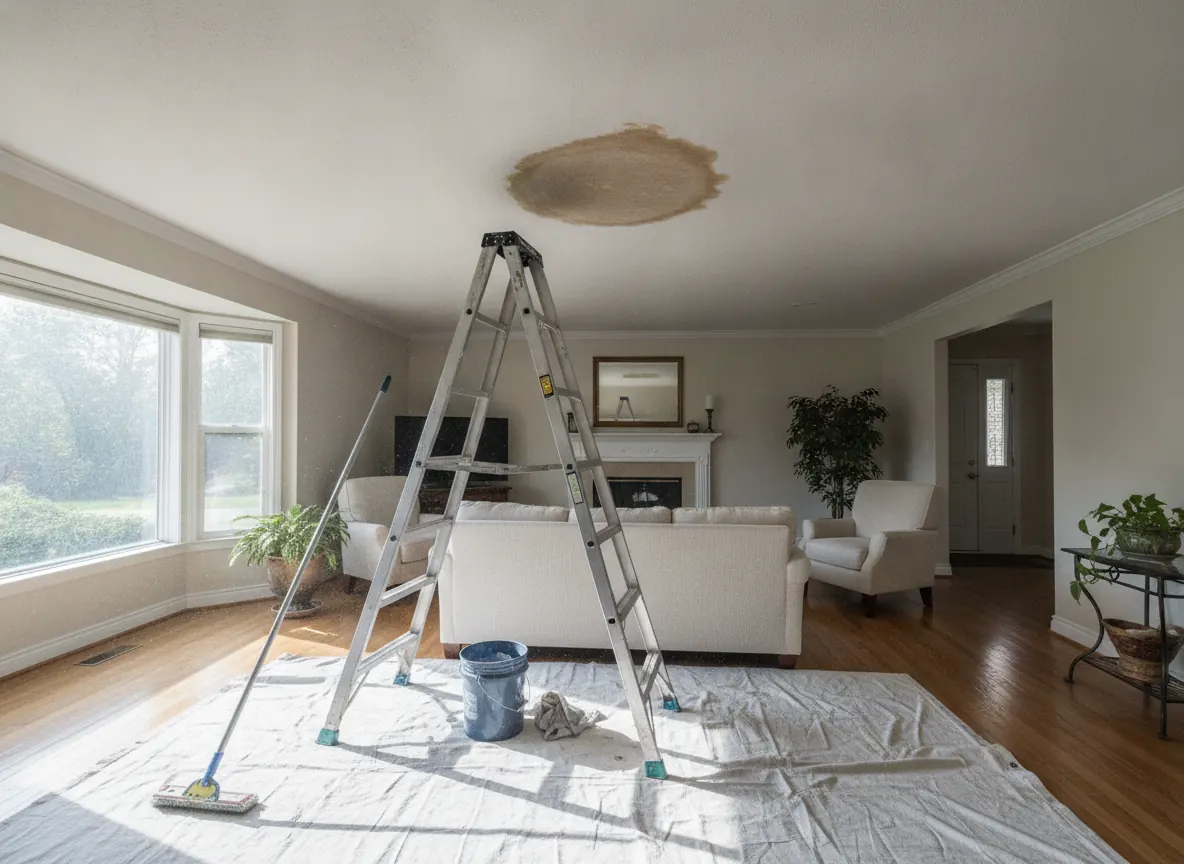
Hail can open small leaks that soak attic insulation and ceiling drywall long before a stain shows up.
Learn more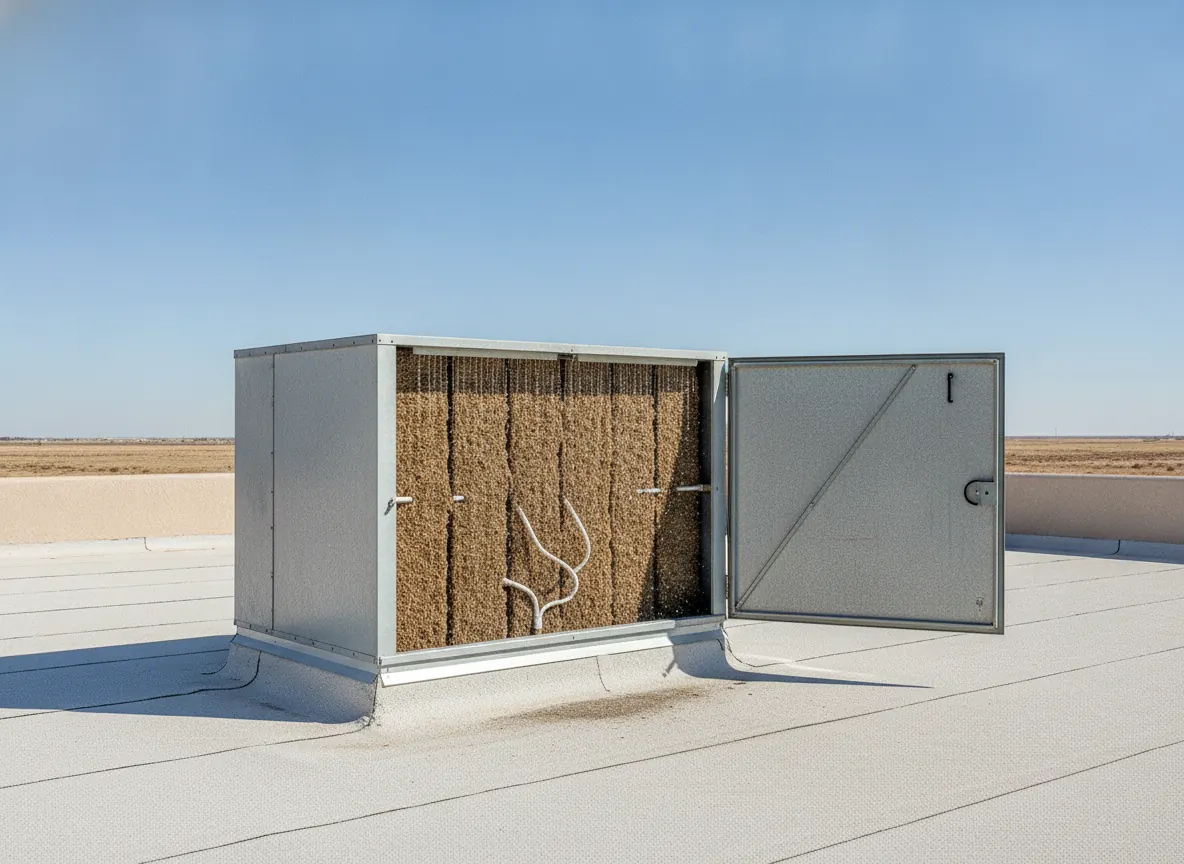
Evaporative cooler pans, wet pads and AC condensate lines are common moisture sources in South Plains homes.
Learn more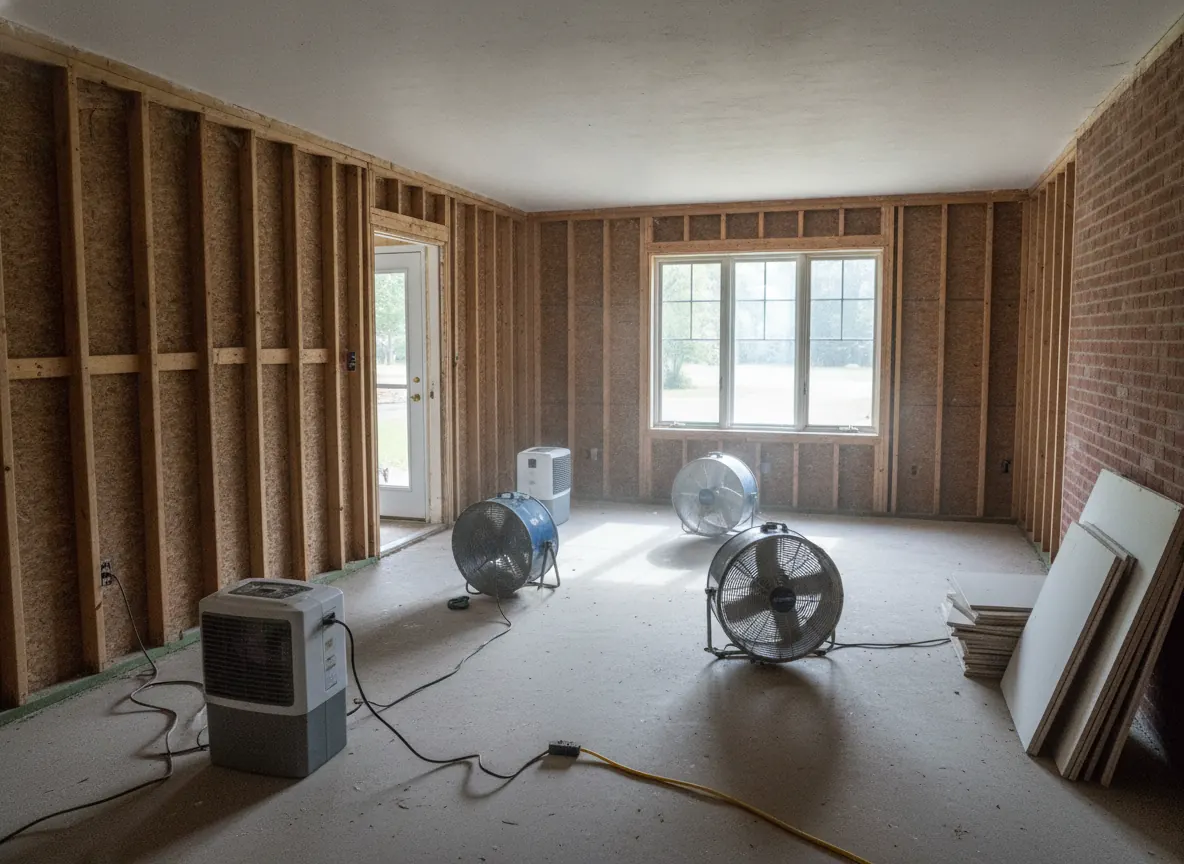
After flash flooding or a burst pipe, EPA says to dry water-damaged areas within 24 to 48 hours to prevent mold.
Learn moreTexas licenses mold assessors and remediators through the Texas Department of Licensing and Regulation (TDLR) under Occupations Code chapter 1958 and 16 TAC chapter 78. For licensed jobs, the work is split between two separate firms.
A licensed mold assessment consultant looks for the moisture source and the extent of the growth, then writes a remediation protocol that says what has to be removed, cleaned and contained.
A licensed remediation contractor follows that protocol under its own work plan. For jobs of 25 contiguous square feet or more, 16 TAC §78.110 requires the remediator to notify TDLR at least five calendar days before starting.
Under 16 TAC §78.140, a licensed assessment consultant does a post-remediation assessment to confirm the area is free of visible mold and the protocol was followed, then issues a written clearance report.
Texas Occupations Code §1958.154 says the owner receives a Certificate of Mold Damage Remediation (TDI form MDR-1) within 10 days after remediation is complete. Keep it: sellers must give buyers copies of certificates from the past five years.
Why two companies? Texas Occupations Code §1958.155 says a license holder may not perform both mold assessment and mold remediation on the same project, and no one may own an interest in both the assessing and the remediating company on that project. So we help you get separate quotes for each step. Ask any company for its TDLR license number and check it on TDLR's license search.
Small jobs and DIY. EPA's mold guide says that if the moldy area is less than about 10 square feet, in most cases you can handle the job yourself. That is advice, not a legal line. The Texas licensing threshold is different: under §1958.102(c), a hired company needs a license once the job reaches 25 contiguous square feet. Homeowners working on their own home are exempt at any size (§1958.102(e); 16 TAC §78.30(b)). SB 1255 (2025) changed parts of the law and TDLR is updating its rules, so check TDLR for the latest. This is general information, not legal advice. For more detail, read the 25-square-foot rule explained and why your assessor can't be your remediator.
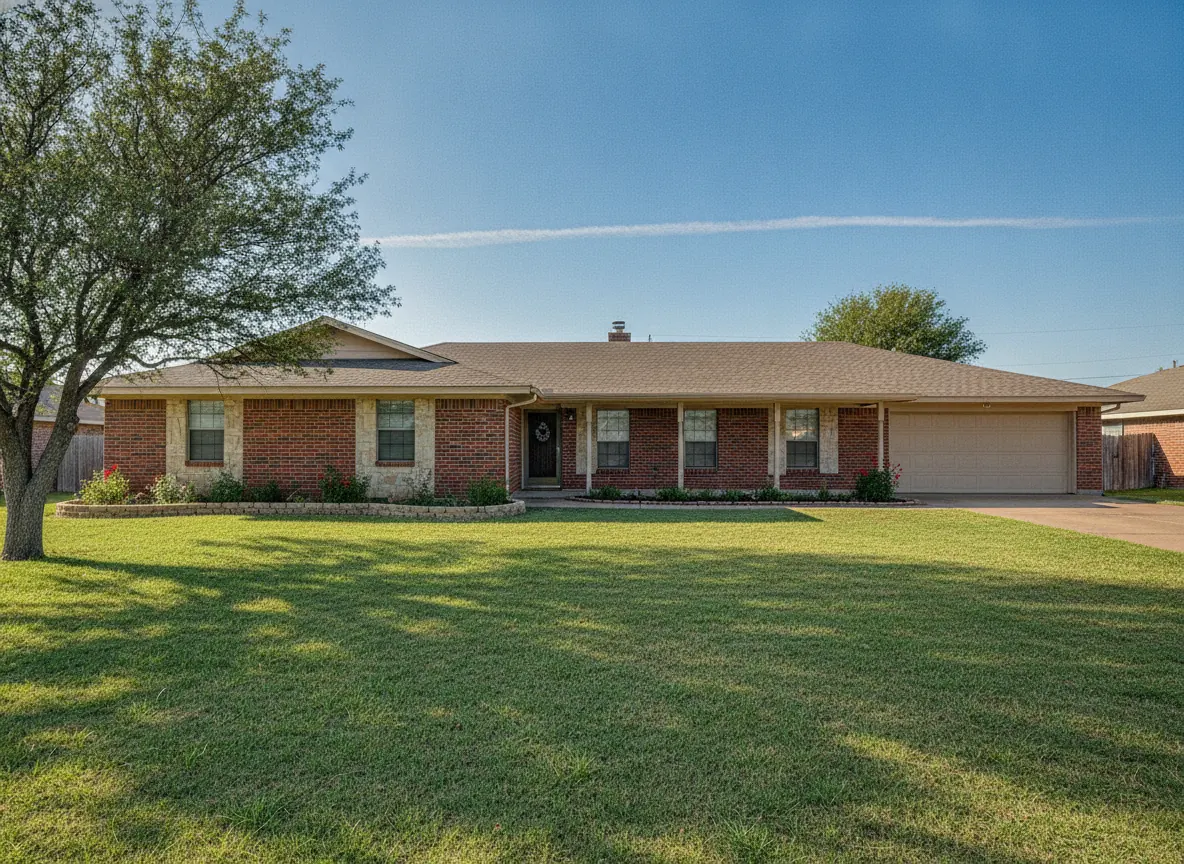
Lubbock averages about 18.33 inches of precipitation a year (NOAA 1991–2020 normals), and roughly 63% of it falls from May through September, mostly in warm-season thunderstorms. Dry air does not stop mold where water gets in. EPA's mold guide says "the key to mold control is moisture control," and that water-damaged areas should be dried within 24 to 48 hours. Here, the water usually shows up in bursts.
Typical national ranges from cost guides put a typical remediation job at about $1,200–$3,750, or $10–$30 per square foot of affected area. A mold inspection typically runs $450–$800. These are estimates, not quotes. In Texas, larger jobs involve two licensed firms, so budget for both the assessor and the remediator.
We help homeowners in Lubbock and across the South Plains get quotes from licensed local pros, including these communities.
See all service areas or read about how getting quotes works.
Texas Occupations Code §1958.102(c) says a license is not required to remediate an area of less than 25 contiguous square feet. Once a hired job reaches 25 contiguous square feet, the company needs a TDLR mold remediation license. Homeowners working on their own home are exempt at any size under §1958.102(e). This is general information, not legal advice.
Not on the same project. Texas Occupations Code §1958.155 says a license holder may not perform both mold assessment and mold remediation on the same project, and no one may own an interest in both the assessing and the remediating company on that job. That is why Texas jobs usually involve two separate licensed firms.
Yes. Tell us what you're seeing and we'll help you get quotes from licensed local pros at no cost and with no obligation to hire anyone. The quote is free. Any mold inspection or assessment is done and priced separately by the licensed assessor you choose, and the remediation price comes from the remediator after an on-site look.
Mold needs water, not humid air. EPA's mold guide says the key to mold control is moisture control. In Lubbock, water usually arrives in bursts: hail-damaged roofs, plumbing and slab leaks, leaking evaporative coolers, and flash flooding around playa lakes. Any of these can wet drywall, insulation or framing long enough for mold to grow.
Often not. TDLR's consumer sheet says it is generally not necessary to identify the species of mold, and that the CDC does not recommend routine sampling. EPA's mold guide adds that sampling is usually unnecessary when mold is visible. A licensed assessor can explain when sampling makes sense, such as for hidden growth or clearance.
Ask any company for its TDLR license number and check it on TDLR's license search at tdlr.texas.gov. You can search by name, license number, city or county, and the license type shows whether the firm is an assessment consultant, assessment company, remediation contractor or remediation company. Licensees must also carry an ID card at the worksite.
More answers on our mold FAQ. If you have health concerns about mold, talk to your doctor.
Free, no-pressure quotes from licensed pros across Lubbock, Wolfforth, Shallowater, Slaton and the South Plains.