
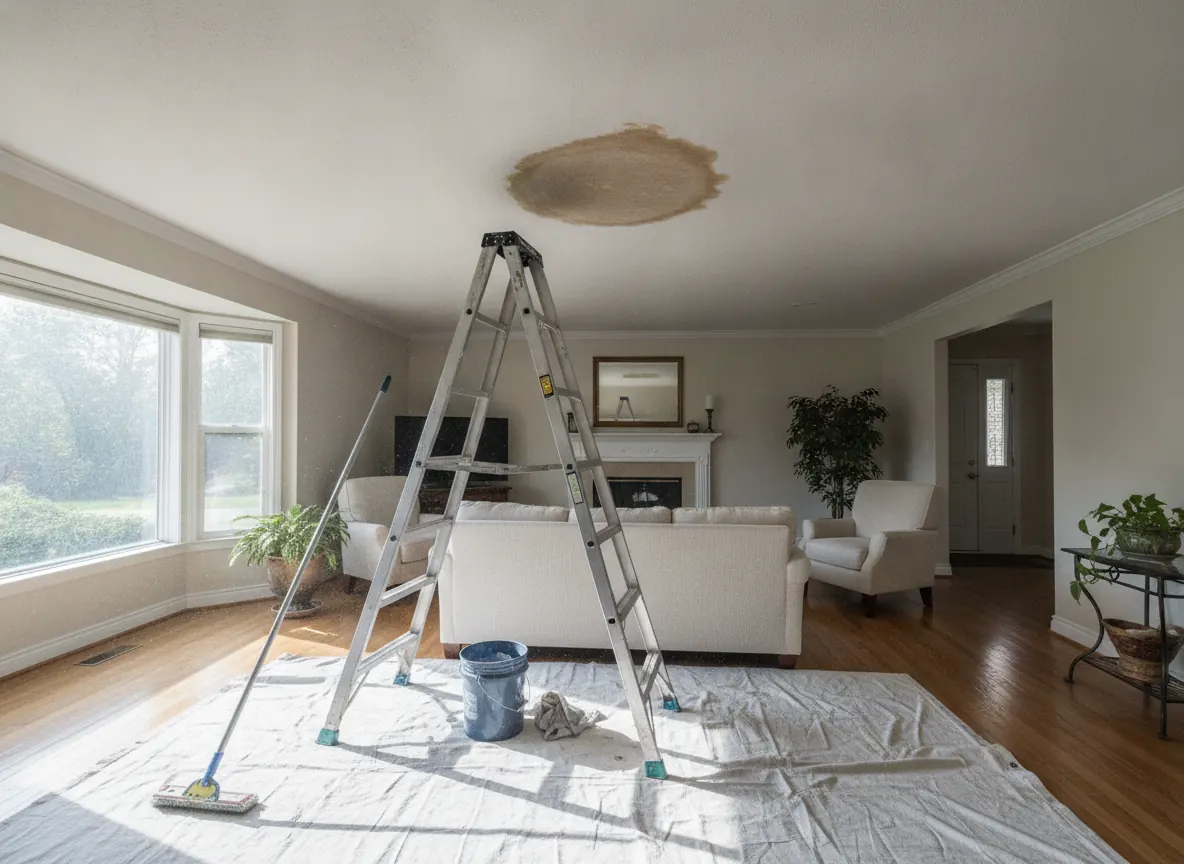
Lubbock hail is not hypothetical
Anyone who has lived on the South Plains for a few springs has a hail story. The National Weather Service (NWS) office in Lubbock keeps event write-ups that show how hard these storms can hit homes:
- June 23, 2023: golf ball to baseball hail, "even larger in spots," with grapefruit-size (4.50 in) hail reported at 98th Street and Upland Avenue in southwest Lubbock, 3.00 in at 73rd and Milwaukee, and 2.50 in at 103rd and York. NWS said the hail "inflicted plenty of property damage" to cars and buildings.
- May 20, 2020: baseball-size hail "pounded parts of south-central Lubbock" near 93rd and Slide, with smaller hail across the city. NWS noted large hail damaged or destroyed many plants, vehicles and roofs. KCBD reported that one local roofer's calls jumped from 3–7 a day to 15–20 a day afterward, with wind damage and leaking roofs among the biggest issues.
- June 24, 2019: baseball to softball hail in Slaton and east of New Deal, quarter to golf-ball hail in and around Lubbock, and 2.08 inches of rain at the NWS office, mostly in under an hour, causing "extensive street flooding" in south Lubbock.
The pattern matters for mold. According to NOAA's 1991–2020 climate normals for Lubbock, about 63% of the year's rain falls from May through September, mostly in warm-season thunderstorms. That is the same window as hail season. So a roof often gets damaged and then gets soaked by the next storm before anyone has climbed up to look.
How a hail-damaged roof turns into attic mold
Hail does not have to punch a hole to cause a leak. Bruised or cracked shingles, lifted flashing, dented vents and damaged roof penetrations can let water in a little at a time. In an attic, that water lands on decking, rafters and insulation, which are materials that hold moisture and that nobody sees day to day.
EPA's mold guide puts the core issue plainly: "It is important to dry water-damaged areas and items within 24-48 hours to prevent mold growth." A slow roof leak works against that window. Each rain re-wets the same spot, and insulation can stay damp long after the storm is over. Lubbock's dry air helps surfaces you can see dry out fast, but it does not reach a soggy batt of insulation tucked against the roof deck.
EPA also warns: "If you clean up the mold, but don't fix the water problem, then, most likely, the mold problem will come back." In hail country, that means the roof repair comes first, or at least an emergency tarp from a roofer, before any mold work.
Signs of mold from a water leak in the ceiling or attic
After a hailstorm, it is worth checking the following, or having a roofer check them while they are on the roof:
- Brown or yellow water rings on ceilings, especially near exterior walls, vents and light fixtures.
- Paint that bubbles or drywall that sags or feels soft.
- A musty or earthy smell in upstairs rooms, closets or near the attic hatch.
- In the attic: dark staining on the underside of the roof deck, damp or compressed insulation, rusty nail tips, or daylight showing through.
- Fuzzy or spotty growth on rafters or decking.
- Water stains around the HVAC platform or ductwork in the attic. ESI, a forensic engineering firm, notes that Lubbock-area hail can damage "roofs, HVAC units, and building exteriors."
If you see any of these, take dated photos before anything is moved or cleaned. Those photos help with roof repair, insurance and any mold estimate later.
How to prevent mold after a roof leak: the first 48 hours
Stop the water
Call a roofer for repair or an emergency tarp. Put buckets under active drips and move belongings out of the way.
Document everything
Photograph the roof, attic, ceilings and anything wet. Note the date of the storm and when you first saw the leak.
Dry what you can, fast
Run fans and a dehumidifier in affected rooms. EPA suggests keeping indoor humidity below 60%, ideally 30–50%. Wet insulation and soaked drywall often cannot be dried in place and may need to come out.
Call your insurer
Report storm damage promptly. Your policy sets the deadlines and what is covered, so read it and ask your agent. Our guide to Texas insurance and the MDR-1 certificate explains the mold paperwork.
Watch the area for a few weeks
Odors, new stains or visible growth after the leak is fixed are a sign that hidden materials stayed wet.
When attic mold needs a licensed pro in Texas
Texas regulates mold work through the Texas Department of Licensing and Regulation (TDLR) under Texas Occupations Code chapter 1958 and 16 Texas Administrative Code chapter 78. A few points matter most after a roof leak:
- The 25 square foot line. Texas Occupations Code §1958.102(c) says a person is not required to be licensed to perform mold remediation where the contamination affects "less than 25 contiguous square feet." A hired company needs a TDLR license once the job reaches 25 contiguous square feet. An attic roof deck can pass that size quickly.
- Homeowners have their own exemption. Under §1958.102(e) and 16 TAC §78.30(b), an owner doing mold work on their own residential property with fewer than 10 units does not need a license, regardless of size.
- EPA's DIY advice is a separate idea. EPA's mold guide says that if the moldy area is "less than about 10 square feet... in most cases, you can handle the job yourself." That is cleanup advice, not a Texas licensing rule.
- Two separate pros. Texas Occupations Code §1958.155 says a license holder "may not perform both mold assessment and mold remediation on the same project," and no one may own an interest in both firms on the same project.
On a licensed project, the usual order is: a licensed mold assessment consultant inspects and writes a remediation protocol; a separate licensed remediator does the work; a licensed assessor does a clearance check; and within 10 days the owner receives a Certificate of Mold Damage Remediation (TDI form MDR-1). Our process page walks through each step.
SB 1255 (2025) changed parts of chapter 1958, and TDLR says its current rules stay in effect while it adopts new ones. Check a company's TDLR license before you hire. This is general information, not legal advice.
What attic and ceiling mold work typically costs
These are typical national ranges from cost guides, 2024–2026, not quotes. The real price comes from licensed pros after an on-site assessment.
| Item | Typical range |
|---|---|
| Attic | $1,000–$9,000 |
| Ceilings | $1,000–$9,000 |
| Per square foot of affected area | $10–$30 |
| Mold inspection | $450–$800 (HomeAdvisor data via Bob Vila: $299–$1,014, avg about $656) |
For jobs of 25 contiguous square feet or more, budget for two separate firms: an assessor for the protocol and clearance, and a remediator for the work. See the full mold remediation cost guide for more ranges.
Mold after a new roof
A new roof stops new water from getting in, but it does not dry out what is already wet. If the old roof leaked for a while, insulation and decking under it may still hold moisture, and growth that started before the replacement can stay behind. If you notice a musty smell or stains after a reroof, have the attic looked at instead of assuming the problem left with the old shingles.
Getting quotes after a hailstorm
We connect Lubbock-area homeowners with TDLR-licensed mold assessors and remediators for free, no-obligation quotes. Tell us what you are seeing, such as a ceiling stain, an attic smell or a leak that has been fixed, and we will help you get quotes from licensed local pros. Ask any company for its TDLR license number and check it on TDLR's license search. For more on storm-related moisture, see our page on roof leak and hail damage mold and flood and water damage mold.
If anyone in your home has health concerns related to mold, talk to a doctor.